
How Same Day Skip Hire Supports Faster Property Clearances Today
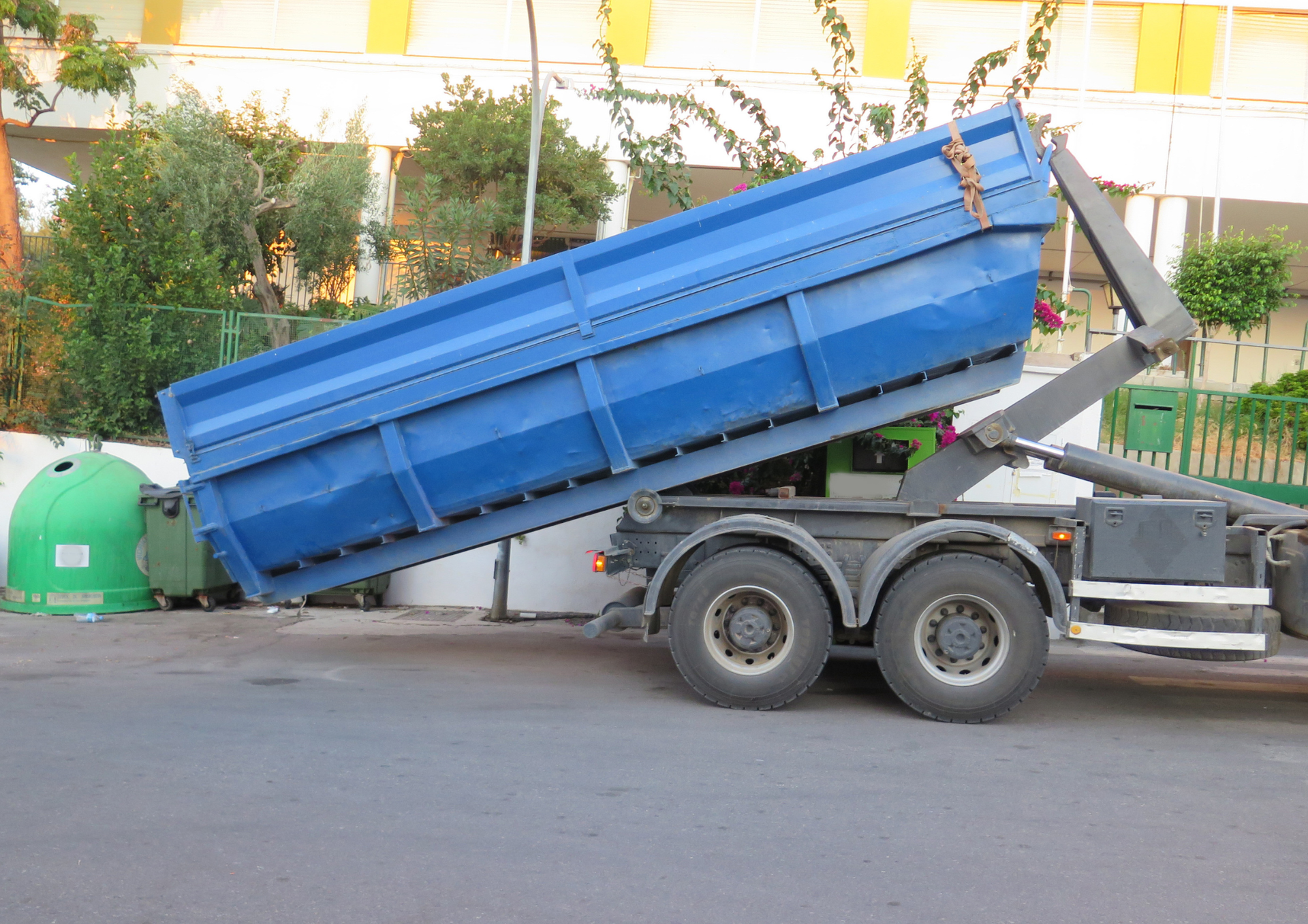
Property clearances can produce large quantities of unwanted material within a relatively short period. Furniture, old fittings, packaging, garden waste and materials from refurbishment work can quickly occupy useful space, making it harder for homeowners, contractors and property professionals to continue working efficiently. Arranging same day skip hire can provide a practical waste removal solution when a project needs to begin quickly or unexpected rubbish has accumulated.
Fast access to suitable waste capacity can be useful for homeowners clearing rooms before renovation, landlords preparing properties for future occupants and surveyors coordinating maintenance work. Local authorities and those responsible for commercial premises can face similar requirements where keeping working areas clear is important to the wider project schedule.
Properties throughout Newport include traditional homes, newer residential developments, shops, offices and other commercial buildings. Access arrangements and available outdoor space can vary considerably between properties, meaning the most suitable approach should reflect the circumstances of each project. The same principle applies to clearance work elsewhere in the UK.
Prompt delivery alone does not guarantee an organised project. Customers should also consider the expected waste volume, available placement area and likely duration of the work. Combining fast delivery with sensible planning provides a more effective way to manage unwanted materials from the beginning of a clearance through to final collection.
Recognising When Rapid Waste Removal Can Be Most Useful
Not every clearance can be arranged well in advance. Unexpected property maintenance, short-notice renovation work or changes to a project schedule can create an immediate need for additional waste capacity. Where delivery is not required immediately, next day skip hire can provide another practical option that allows customers to prepare the site while still arranging waste removal within a short timeframe.
Household Clearances
- Moving home, decluttering or preparing rooms for decorating can produce more unwanted material than initially expected.
- A dedicated waste area helps prevent rubbish from accumulating in hallways, driveways and gardens.
- Planning where materials will be moved before work starts can make the clearance easier to manage.
- Bulky furniture and fittings should be considered when estimating the amount of capacity required.
Landlord and Property Maintenance Work
- Properties between occupants may require unwanted belongings, old furnishings and maintenance debris to be removed.
- Prompt waste arrangements can help prepare rooms for decorators, maintenance teams and other trades.
- Clearing one area at a time provides a more organised route through larger properties.
- Coordinating disposal with scheduled maintenance can help prevent unnecessary delays between different stages of work.
Commercial Clearances
- Offices and retail premises may need old furniture, displays, packaging or fixtures removed during refurbishment.
- Keeping waste contained can reduce disruption where parts of the premises remain operational.
- Delivery and collection should be planned around staff, contractors and customer access where appropriate.
- Larger commercial properties may benefit from assessing individual work areas before selecting capacity.
Urgent Project Changes
- Renovation work can uncover additional materials that were not included in the original waste estimate.
- Unexpected maintenance may require an area to be cleared before repairs can proceed.
- Changes to contractor schedules can create a need for waste capacity sooner than anticipated.
- Reviewing the project as work progresses helps customers respond to changing requirements without allowing rubbish to accumulate.
Fast arrangements are most effective when customers still take time to consider what will be removed and where equipment can be positioned. Even a short period of preparation can help delivery and loading proceed more smoothly.
Planning Access and Delivery for an Efficient Clearance
Finding same day skip hire near me may be an early priority when waste needs removing quickly, but customers should also consider whether the property is ready for delivery. Access, positioning and the movement of materials around the site can all influence how efficiently the equipment can be used once it arrives.
The first consideration should be the proposed location. A private driveway or suitable area within the property boundary may provide convenient access for loading, but customers need to consider whether sufficient room is available for the delivery vehicle to approach and position the container. Gates, walls, parked vehicles and other obstacles should be identified beforehand.
Residential streets can present different challenges. Properties in established parts of Newport may have narrower access or limited parking, while newer developments can have different layouts and shared spaces. Similar conditions occur throughout the UK, so customers should provide accurate information about the site when making arrangements.
The route between the property and the container is also important. Carrying unwanted materials through several rooms, down stairs or across gardens can become time-consuming if routes are obstructed. Clearing hallways, entrances and paths before the main clearance begins can make moving items considerably easier.
Commercial properties require additional thought because waste removal may need to take place alongside normal operations. Delivery should not unnecessarily block customer entrances, loading areas or essential access routes. Where contractors are involved, everyone should understand where unwanted materials are being taken so temporary piles do not develop around the site.
Customers should also identify what they intend to remove before loading begins. Different projects can generate very different materials, and checking suitability beforehand helps prevent confusion later. Separating items that require another disposal route also makes the main clearance easier to organise.
Timing is another useful consideration. Fast delivery is most valuable when the container arrives shortly before significant waste generation begins. Having it available too early can occupy useful space, while arranging it after materials have already accumulated may leave the property cluttered unnecessarily.
Even where a clearance needs to move quickly, basic preparation therefore remains worthwhile. A clear delivery location, accessible loading route and realistic understanding of the waste involved can turn a rushed project into a much more controlled process.
Choosing Suitable Capacity for Different Clearance Projects
Selecting an appropriate container is an important part of using same day skip hire effectively. Capacity should reflect the amount and type of waste expected rather than simply choosing the largest available option. A realistic estimate can help prevent the container filling too early while avoiding unnecessary unused space.
Small Domestic Projects
- Single-room clearances, decorating work and general decluttering may only generate modest quantities.
- Smaller capacity can be useful where outdoor space is restricted.
- Customers should account for bulky objects even when the overall number of items appears limited.
- Assessing everything intended for removal before booking provides a clearer estimate.
Larger Household Clearances
- Emptying several rooms can produce substantially more material than expected.
- Furniture, carpets, stored belongings and household items can occupy space quickly.
- Assessing the property room by room makes the overall volume easier to understand.
- Additional materials from subsequent renovation work should also be considered where relevant.
Renovation and Building Work
- Kitchens and bathrooms can produce old cabinets, fittings and flooring within a short period.
- Larger refurbishments may generate materials throughout several stages of work.
- Capacity should reflect the complete project where possible rather than only the initial clearance.
- Customers should establish which materials are suitable before loading begins.
Commercial and Managed Properties
- Offices may produce desks, shelving, chairs and storage materials during a clearance.
- Retail refurbishments can involve displays, fittings, packaging and other bulky items.
- Property professionals may need capacity that fits around several contractors or phases of work.
- Local authorities coordinating maintenance can benefit from considering the wider project timetable before arranging delivery.
Choosing capacity carefully helps maintain an organised working environment. The objective is to provide enough room for the expected materials while ensuring the container remains appropriate for the property and available placement area.
Keeping a Fast Clearance Organised Through to Collection
Having a same day skip available can make an urgent clearance considerably easier, but maintaining organisation after delivery is equally important. A structured approach to loading and project sequencing helps customers use the available capacity effectively while keeping access routes clear.
One useful method is to work through the property systematically. Rather than beginning several rooms simultaneously, completing one area before moving to another makes progress easier to monitor. This can be particularly helpful during whole-house clearances where large quantities of belongings need to be assessed and removed.
Bulky items should be considered carefully when loading. Furniture, shelving and other large objects can occupy substantial room if positioned inefficiently. Where appropriate and practical, suitable items can be broken down before disposal so that available space is used more effectively.
Smaller materials should also be handled in an organised manner. Creating numerous temporary piles can result in waste being moved several times before reaching its final destination. Taking suitable materials directly to the designated waste area reduces unnecessary handling and keeps rooms clearer as work progresses.
For landlords and property managers, maintaining this organisation can help prepare rooms for subsequent maintenance or decorating. Contractors can begin work in cleared areas while the remainder of the property is being addressed, provided the project has been planned appropriately.
Commercial premises may require work to be divided into zones. Clearing individual offices, storage areas or retail sections in sequence can reduce disruption to other parts of the building. Where normal operations continue, communication between contractors and building users becomes especially important.
Customers should also monitor how quickly available capacity is being used. If considerably more waste is discovered than originally expected, recognising this early provides more time to consider appropriate arrangements rather than waiting until the container is full.
Collection timing should be considered as the project approaches completion, particularly when arranging same day skip hire. Removing equipment too soon can leave remaining waste without a suitable destination, whereas unnecessary delays can leave valuable space occupied after the clearance has finished. Coordinating removal with the final stages of work creates a smoother transition to whatever follows, whether that is renovation, redecoration, occupation or normal commercial use.
Skip Hire Newport provides practical waste removal support for homeowners, landlords, surveyors, local authorities and those responsible for residential and commercial properties. We understand that some clearances can be planned well ahead, while others arise unexpectedly and require a quicker response.
Our approach focuses on straightforward communication, dependable arrangements and helping customers understand the practical requirements of their project. Whether clearing a home, preparing a rental property or coordinating commercial work, considering waste volume, available access and project timing can make the process considerably easier.
Customers looking to rent a skip can benefit from thinking about the complete clearance rather than only the first stage. We aim to provide practical guidance so that suitable capacity can be selected and delivery arrangements can fit effectively around the work being undertaken.
From smaller domestic clearances to larger property projects, our goal is to make waste removal straightforward and organised. By considering each project's individual circumstances, we help customers plan an efficient route from initial booking through to final collection.
Check out our latest X update on how
same day skip hire supports faster, more efficient property clearances!
You might also like